It’s no surprise that artificial intelligence (AI) is transforming how businesses across the globe build custom software. Applications, workflows, databases, and dashboards that once required an expensive and lengthy development process can now be built in hours with AI app builders.
AI app builders enable users to describe their application requirements in natural language, making software development more accessible to those without heaps of time, extensive coding knowledge, or huge budgets.
However, using AI to generate a prototype of a desired software is only the first step. An application, workflow, database, or dashboard that works well and looks good during testing may struggle to scale, integrate, or adapt when adopted by additional teams or departments.
As businesses rely more and more on AI-generated applications to streamline processes and improve efficiency, the difference between a quickly built prototype and a production-ready application becomes increasingly important.
Here are five ways AI app builders should evolve to deliver more than just prototypes.
1. Generate Applications That Can Scale
AI app builders can rapidly generate prototype applications that work well for a small group of users. However, businesses may find that initially successful prototypes struggle to deliver long-term value when scaling for more users or additional workflows.
For example, a simple project management dashboard initially used by one team may later be adopted by multiple teams within the business. As usage grows, the application may need to handle more data, integrate with other systems, and accommodate more complex workflows.
Businesses need confidence that their AI-generated applications can support long-term scalability. This means AI app builders should avoid focusing solely on generating prototypes that may later result in costly redevelopment or migration projects for the business.
2. Generate Applications That Can Integrate With Existing Systems
Many AI-generated prototypes work in isolation. However, most applications rarely operate in isolation, with businesses relying on a range of systems to manage finance, customer relationships, human resources, project management, and operations.
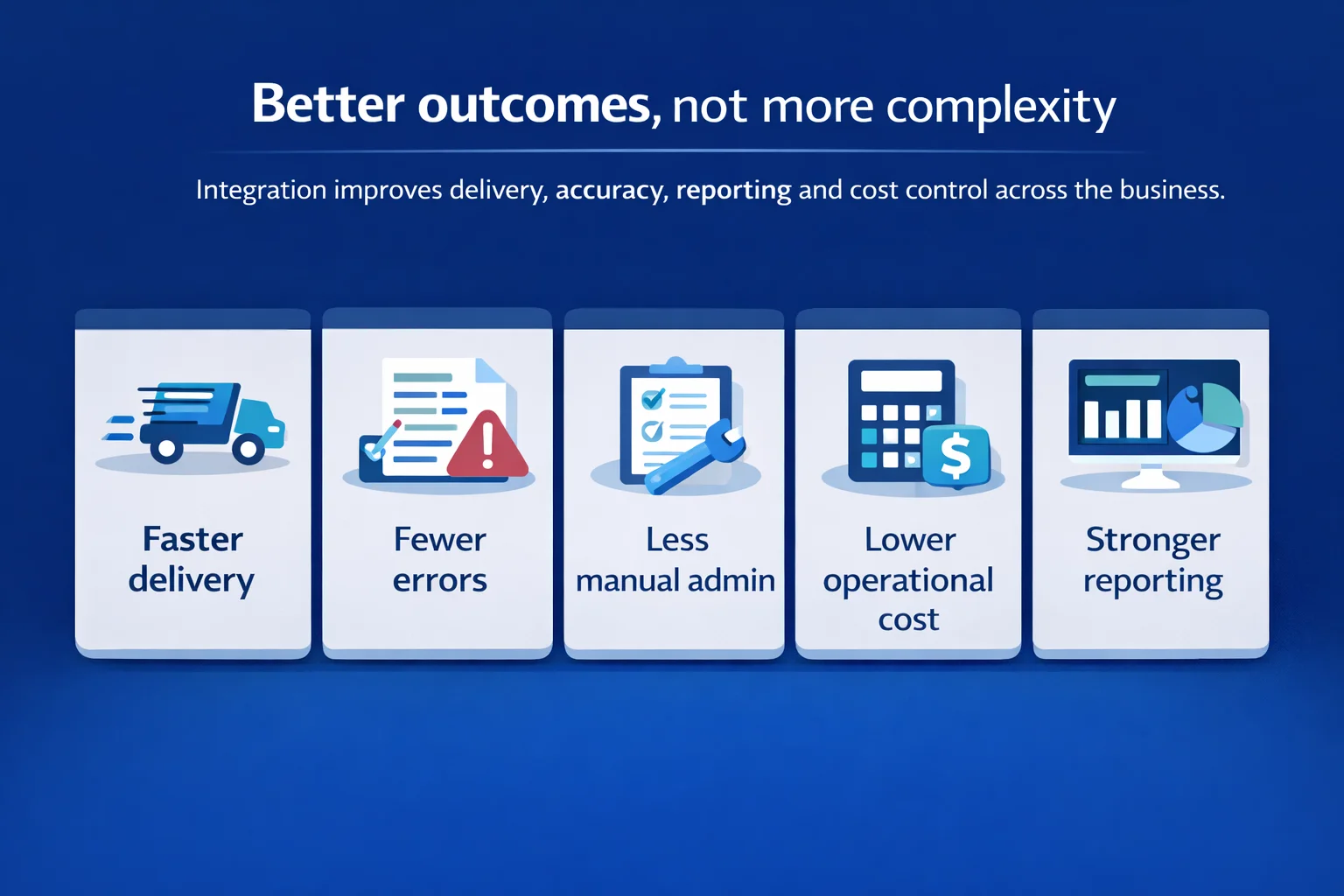
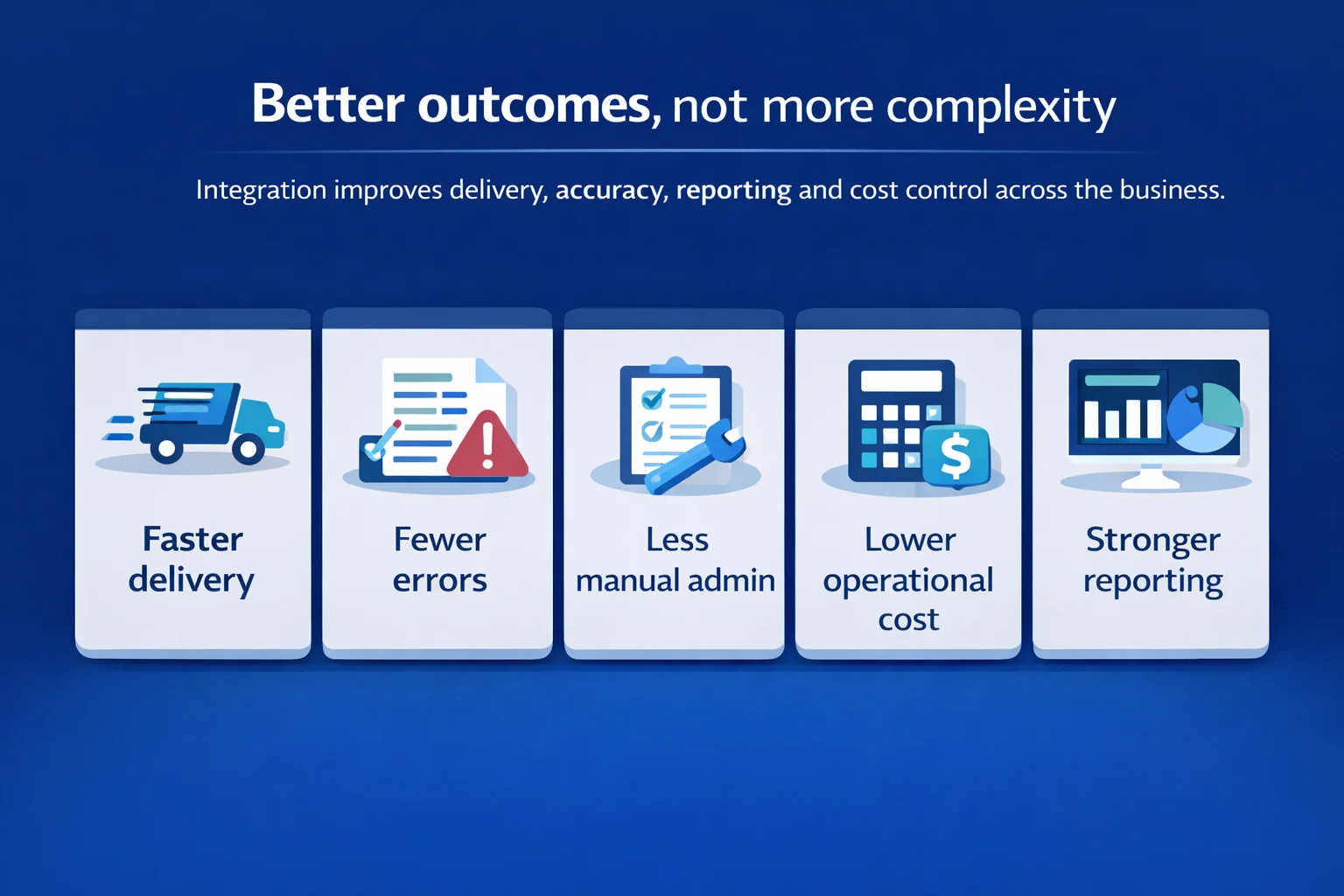
AI app builders must allow their generated applications to integrate with existing systems, as this helps businesses reduce manual admin, improve accuracy, and enhance reporting. The ability to integrate with existing business systems is often what separates a useful application from a short-lived prototype. Businesses working within the Microsoft ecosystem may also rely on SharePoint Managed Services to connect applications with existing documents, workflows, and collaboration tools.
For ecommerce teams, this same principle applies when customer conversations, order data, and support workflows need to work together through customer service automation for ecommerce.
3. Provide Robust Security and Compliance Features
Many business applications handle sensitive information, including customer data, employee data, financial information, and confidential documents.
While security and compliance may not be a primary concern during the prototyping stage, it becomes essential when prototypes evolve into real business applications. Applications that lack robust security and compliance controls may expose businesses to unnecessary risks.
Businesses need to use AI app builders, such as Pave, that provide robust security and compliance features, including user authentication, access controls, audit trails, and data protection.
4. Generate Applications That Can Easily Adapt
Many AI-generated prototypes are designed to prove that an application idea actually works, but businesses would prefer applications that can adapt as teams grow, workflows and processes change, and new compliance requirements emerge.
If an AI app builder does not support updates and customization, businesses may need to develop applications from scratch when requirements change. This can reduce long-term value, create unnecessary operational disruption, and increase software development costs.
The most effective AI app builders will allow businesses to continuously adapt and improve applications after deployment, ensuring they remain aligned with changing business requirements.
5. Provide Long-Term Value To Businesses
The excitement surrounding AI app builders often focuses on how quickly and cheaply an application can be generated. However, speed and price alone do not guarantee long-term business value.
Businesses invest in building custom applications to improve productivity, automate processes, enhance collaboration, and solve operational challenges. Overall, the most successful AI app builders are those that help businesses create production-ready applications that support day-to-day operations, not just prototypes.
It is especially important for teams using AI WhatsApp customer support for ecommerce, where production reliability affects real customer conversations and order-related assistance.
The Future Of AI App Builders
As AI-powered software development continues to evolve, businesses need more than just prototype generation; they need platforms that turn natural language prompts into quality applications.
Modern AI app builders have the potential to transform how businesses develop and deploy custom software. Businesses no longer want to wait months or spend thousands to develop applications, workflows, databases, or dashboards. However, speed and saving money alone are not enough.
The most valuable AI app builders will be those that combine speed and cost savings with scalability, integration, security, adaptability, and long-term value. These platforms will deliver far more than just prototypes, providing businesses with the tools needed for long-term success.