Brands selling through retailers often have limited access to customer data, control over pricing, and opportunities to build direct relationships. Answering the question “What is DTC in marketing?” helps businesses reconsider their sales strategy, improve customer experience, and retain more revenue. A direct-to-consumer model allows companies to sell through their own digital storefronts, communicate with buyers directly, and develop relationships without relying entirely on third-party retailers.
What is DTC in marketing: key insights for e-commerce brands
- DTC brands sell directly to customers through owned storefronts, reducing dependence on traditional retail intermediaries.
- Direct sales give businesses more control over product presentation, customer data, pricing, and communication with customers.
- Acquisition costs, fulfillment expenses, and customer retention determine whether the model can generate sustainable profit.
- Shopify, email, social media, and messaging channels help businesses manage the customer journey as a whole.
- Repeat purchases and lifetime value matter because, according to McKinsey, acquiring new customers can cost up to five times more than retaining existing ones.
What is DTC in marketing, and how does the model work in 2026?
What is DTC in marketing? Direct-to-consumer (DTC) describes a business model in which a brand sells products directly to end customers instead of relying on distributors or retailers to handle sales. A company may operate a Shopify store, manage fulfillment, and communicate with buyers through its own channels. What is DTC in marketing in terms of market size? EMARKETER projected US DTC ecommerce sales at $239.75 billion in 2025.
Traditional retail separates manufacturers from consumers through intermediaries. DTC brands manage more of the relationship themselves, from advertising and product discovery to payment, delivery, and post-purchase support. The approach gives businesses greater visibility into buying behavior and creates opportunities to personalize the shopping experience.
What makes DTC different from retail and marketplace selling?
The difference lies in who controls the sales experience, customer relationships, and available data.
Traditional retail
- Sales channel: Retailers and physical stores
- Customer relationship: Primarily managed by retailer
Marketplace
- Sales channel: Third-party platforms
- Customer relationship: Shared or platform-controlled
DTC
- Sales channel: Brand website and direct channels
- Customer relationship: Managed by the brand
A DTC business can fully control its website experience, offer personalized promotions, and develop its own loyalty programs. However, direct ownership also creates responsibility. Businesses must invest in advertising, payment infrastructure, inventory, delivery, returns, and support on their own.
What advantages and challenges should one expect from the DTC model?
The DTC meaning marketing professionals use extends beyond removing intermediaries. The model creates opportunities to build a recognizable brand, gather customer insights, and develop more sustainable revenue.
Here are its primary advantages:
- Companies control their brand fully, from product descriptions to visual identity to customer experience.
- Direct transactions provide valuable first-party data about preferences, purchasing behavior, and engagement.
- Personalized service, relevant communication, and special discounts encourage brand loyalty.
Still, the model also comes with certain challenges. In particular, advertising and brand management expenses increase customer acquisition cost, while shipment, returns, and related services consume margins.
Which channels help DTC brands attract and retain customers?
While your website remains the central sales hub, you should widely utilize other platforms to help customers discover products and receive support. Common owned channels include:
- Live chat and a self-service help center;
- Email marketing;
- Instagram, TikTok, and other platforms;
- WhatsApp and other messengers.
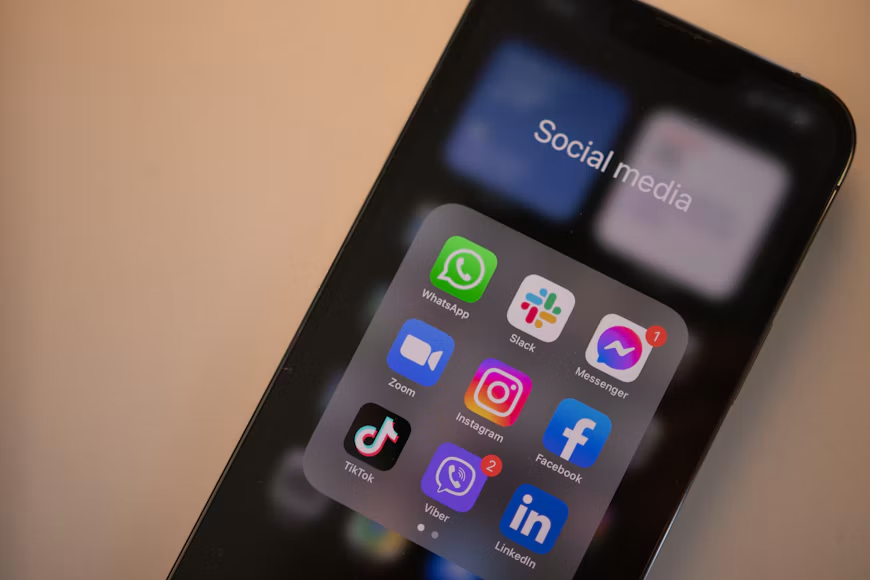
Brands can integrate these touchpoints into a consistent customer journey. Service matters too: in Genesys’ 2026 research, 85% of consumers spent less or stopped buying after poor service.
Which DTC brands demonstrate the model in practice?
What is DTC in marketing in practice? Here are a few fairly well-known brands that showcase how direct sales can help a business prosper.
- Warby Parker sells eyewear directly through its digital and brick-and-mortar stores. They rely on a combination of accessible pricing, stylish design, and the kind of service that puts the customer first.
- Dollar Shave Club offers grooming products and has built a name for itself through subscription-based sales and strong customer relationships.
- Glossier has developed a beauty brand around community engagement with a heavy focus on social media, and since 2023 it has also sold through Sephora.
These businesses demonstrate that DTC doesn't depend on one product category or marketing channel. A company can compete through convenience, subscription services, product differentiation, community, or personalized service.
How can DTC brands successfully monitor competitors and market demand?
Direct sales give brands access to their own customer data, but market decisions also require external information. Teams regularly compare public prices, product availability, assortment changes, promotions, and customer reviews across competitor websites and marketplaces.

Consistent monitoring helps identify pricing shifts, emerging product trends, and gaps in the market. Some teams use automated collection systems to organize publicly available information and track changes over time. For stable long-term monitoring, businesses may use the best static residential proxy when collecting public market data across websites.
Competitor analysis also shows how other businesses position similar services or products, interact with customers, and build their reputations. It never hurts to learn from your rivals.
What are the most important metrics for measuring DTC marketing performance?
What does DTC mean in marketing for the budget? It comes down to the economics behind direct sales. Traffic and revenue alone don't show whether customer acquisition or retention generates sustainable growth.
Customer acquisition cost (CAC)
- What it measures: Marketing and sales expenses required to acquire a new customer
Lifetime value (LTV)
- What it measures: Revenue or profit attributed to a customer over the relationship
Conversion rate
- What it measures: Percentage of visitors who complete a purchase
Average order value (AOV)
- What it measures: Average revenue generated per order
Repeat purchase rate
- What it measures: Share of customers who purchase again within a defined period
Shopify recommends analyzing acquisition costs alongside retention and other customer metrics rather than treating CAC as a standalone measure. Its acquisition guidance also notes that businesses should include advertising, creative production, software, agency fees, and other relevant expenses when calculating acquisition costs. According to McKinsey, acquiring a new customer can cost up to five times as much as retaining one.
The DTC model allows brands to build stronger customer relationships, gain greater control over the buying experience, and make more informed marketing decisions. The answer to “What is DTC in marketing?” helps businesses choose the right sales channels, balance acquisition costs with retention, and develop a sustainable strategy for long-term growth.
FAQ: Answers to the most common questions about DTC in Marketing
Once people find the answer to the basic “What is DTC in marketing?” question, here are the questions they commonly ask next.
What does DTC in marketing mean for small businesses specifically?
DTC means direct-to-consumer. For a small business, it means selling products directly to end customers, usually through an online store, instead of depending on retailers or distributors. The model allows smaller brands to control product presentation, pricing, communication, and customer relationships. However, businesses also assume responsibility for customer acquisition, fulfillment, returns, and support, which makes budgeting and operational planning essential.
What is DTC in marketing compared to B2C? Are the two related?
DTC is a specific form of B2C, or business-to-consumer, commerce. B2C describes businesses selling to individual consumers, including brands that distribute products through retailers. DTC identifies businesses that sell directly to their customers without a traditional retail intermediary in the transaction. Therefore, every DTC business operates within B2C commerce, but not every B2C company follows a direct-sales model.
Can you consider a Shopify store to be a DTC business, and why?
A Shopify store can support a DTC business when a brand sells its products directly to consumers through its own storefront. Shopify provides tools for product listings, checkout, payments, marketing, customer accounts, and order management. Simply operating a Shopify store doesn't automatically make a company DTC, particularly if the website primarily facilitates sales through another retailer or distributor.
Is DTC marketing profitable for new brands, and under what conditions?
DTC marketing can generate profit. But this is possible only in a situation where revenue from customers exceeds the total costs of acquisition and operating expenses. New brands must evaluate advertising costs, product margin, and costs for delivery and returns. Over time, profit begins to grow due to a strong product-market fit and the effective performance of acquisition channels. Repeat purchases also help increase the metrics.