Need to create an effective WhatsApp message template for your e-commerce brand, but don’t know how? Here’s how you build high-converting WhatsApp templates.
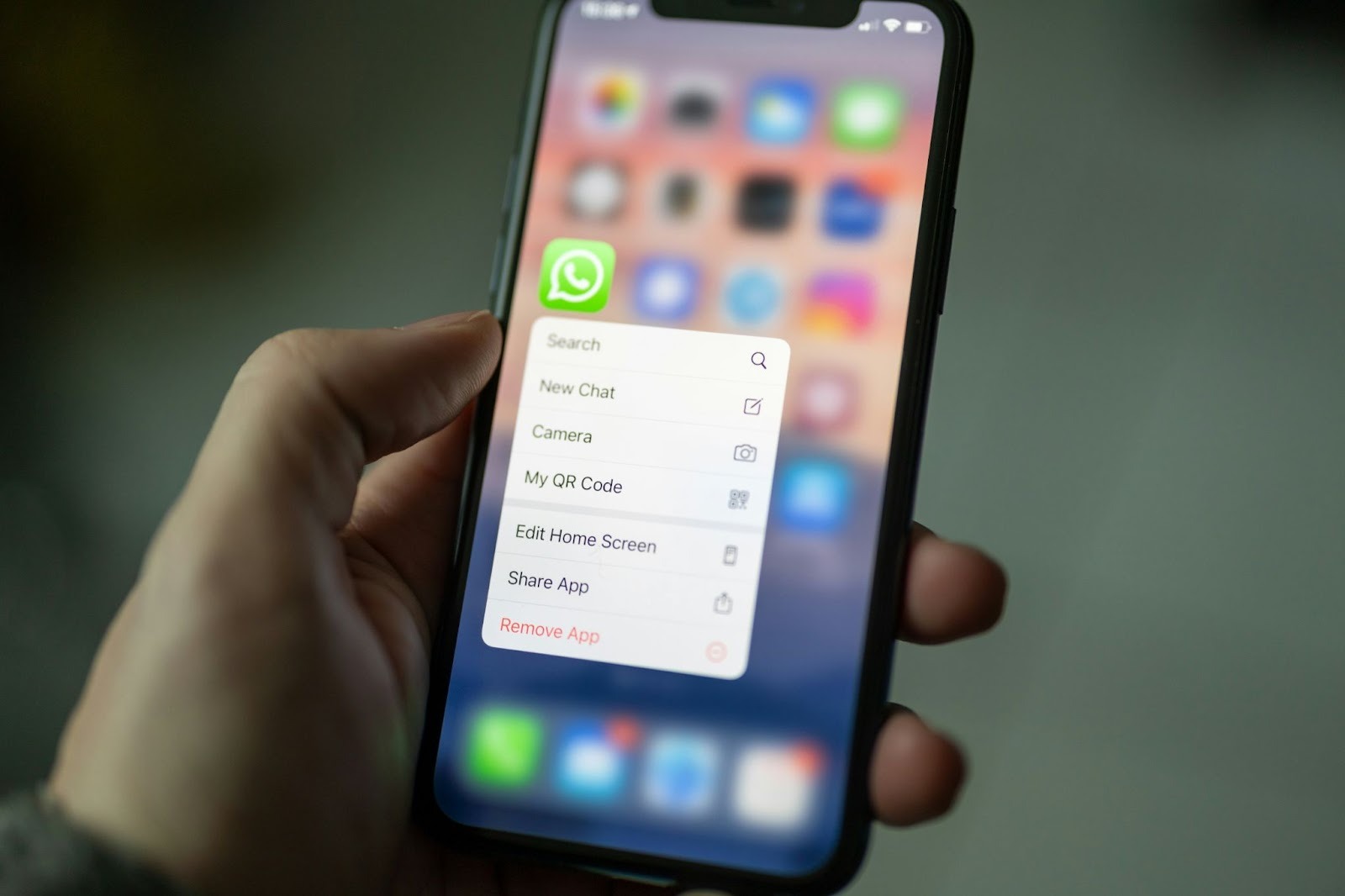
A commercial WhatsApp message that arrives just at the right moment is not seen as a nuisance. While most e-commerce brands use WhatsApp for promoting their products, whether they are able to do it successfully or not is debatable.
Often, the audience finds unwanted messages annoying, which is why marketers need to be careful about what message they send.
Yet, using WhatsApp for promotion can actually be quite useful, especially since it gives you the chance to be fast and personal. This is why the only messages you should be sending on this platform are high-converting ones.
Even if you are making specific templates to send, they need to be efficient and effective. Here's how the WhatsApp messages you send to your customer can become a revenue engine, and help you recover carts, confirm purchase, and even establish a long-term connection built on trust.
Why Templates Matter for E-commerce Growth?
WhatsApp templates are required if you want to message customers outside the 24-hour reply window. But for e-commerce brands, they are much more than a rule to follow.
Templates help you stay consistent. They allow your team to respond faster and keep your messaging clear across different situations. More importantly, they help you scale communication without losing quality.
The real difference between average templates and high-converting ones is how well they match the customer’s situation. A new visitor needs reassurance. A returning buyer wants speed. Someone who left items in their cart needs a gentle reminder, not a hard sell.
When templates are aligned with where the customer is in their journey, they feel relevant. And relevance is what drives action.
Writing Messages That Feel Natural And Human
Automation is useful, but it can easily feel cold if not handled carefully. Customers can tell when a message feels too generic, even if their name is included. It can also give them AI fatigue, as they are having to deal with generated content more frequently than ever.
Many brands make the mistake of writing messages that sound too polished or formal. These might pass technical checks, and even an AI detector might not flag them, but they still feel distant and unengaging.
High-converting templates sound like real conversations. They are clear, direct, and easy to read. Instead of trying to say everything in one message, they focus on one simple goal.
When a message is easy to understand, it is easier to act on. And that is what really matters.
Structuring Templates For Better Results
A good WhatsApp template follows a simple structure, and each part has a purpose.
The first line is important because it decides whether the customer keeps reading. It should quickly show why the message matters.
The main part of the message should explain the situation clearly. Whether it is an order update or a special offer, the customer should understand it right away.
The closing should guide the customer toward the next step. A clear call to action helps, but it should feel natural, not forced.
Buttons can make a big difference here. Instead of asking customers to type, you give them an easy option like “Track Order” or “Shop Now.” This reduces effort and increases the chances of action.
Personalizing Properly
Adding a customer’s name is a good start, but real personalization goes deeper than that.
It is about sending the right message based on what the customer has done. A repeat buyer should not get the same message as a first-time visitor. Someone who abandoned their cart yesterday should not be treated the same as someone who did so last week.
Good templates use customer data in a simple and respectful way. They reflect past actions without feeling intrusive.
When personalization is done well, the message feels helpful rather than promotional. And that makes a big difference in how customers respond.
Using The Right Type Of Template At The Right Time
WhatsApp templates fall into three main categories: marketing, utility, and authentication. Each one serves a different purpose.
Utility messages are used for updates like order confirmations and delivery notifications. These are expected and usually have high open rates. The key is to keep them clear and focused.
Marketing messages are used for promotions and campaigns. These need to be engaging but not overwhelming. A clear offer with a simple message usually works best.
Authentication messages are used for things like one-time passwords. They are more structured but help build trust by making the process smooth and secure.
Choosing the right type of message at the right time helps your communication feel more relevant and less intrusive.
Avoiding Common Mistakes
Even simple mistakes can reduce the effectiveness of your templates.
Messages that are unclear or too vague can confuse customers. If they do not understand the message, they are unlikely to take action.
Using too many variables can also make messages feel awkward. It is important to keep the flow natural.
Formatting matters as well. Long or cluttered messages are harder to read, especially on mobile. Keeping things short and clean improves engagement.
Sending the same type of message too often can lead to fatigue. Customers may start ignoring your messages if they feel repetitive.
Finally, following WhatsApp’s guidelines is essential. If your templates are rejected, it can delay your campaigns and affect your communication.
Creating Templates For Different Goals
Different templates should serve different purposes.
Cart recovery messages should remind customers about what they left behind and encourage them to complete their purchase. A small incentive or a gentle nudge often works well.
Order confirmations should reassure customers that everything is on track. A clear and friendly message can improve their overall experience.
Promotional messages should highlight value quickly. Customers do not spend much time reading, so the message should be clear from the start.
Feedback requests can help you learn more about your customers. Keeping them short and easy to respond to increases the chances of getting replies.
When each template is designed for a specific goal, it becomes more effective.
Improving Templates Over Time
No template is perfect from the beginning. The key is to test and improve.
Small changes can make a big difference. Adjusting the wording, changing the timing, or trying a different call to action can affect how customers respond.
Looking at performance data helps you understand what works and what does not. Over time, you can build a set of templates that consistently perform well.
Different audiences may respond differently, so testing across segments is also important.
This process of continuous improvement helps you get better results without starting from scratch every time.
Final Thoughts
Building high-converting WhatsApp message templates is about keeping things simple, clear, and relevant. It is not about using complex language or trying too hard to impress.
When messages are written in a natural and thoughtful way, they feel more like conversations and less like marketing. This makes customers more likely to engage and take action.
For e-commerce brands, this approach can make a real difference. Instead of sending messages that get ignored, you create communication that actually works.
Successful WhatsApp marketing in 2026 means that a simple, well-timed message is all it takes to turn interest into action.